

As an Amazon Associate, Arythmos Ena earns from qualifying purchases. #ad
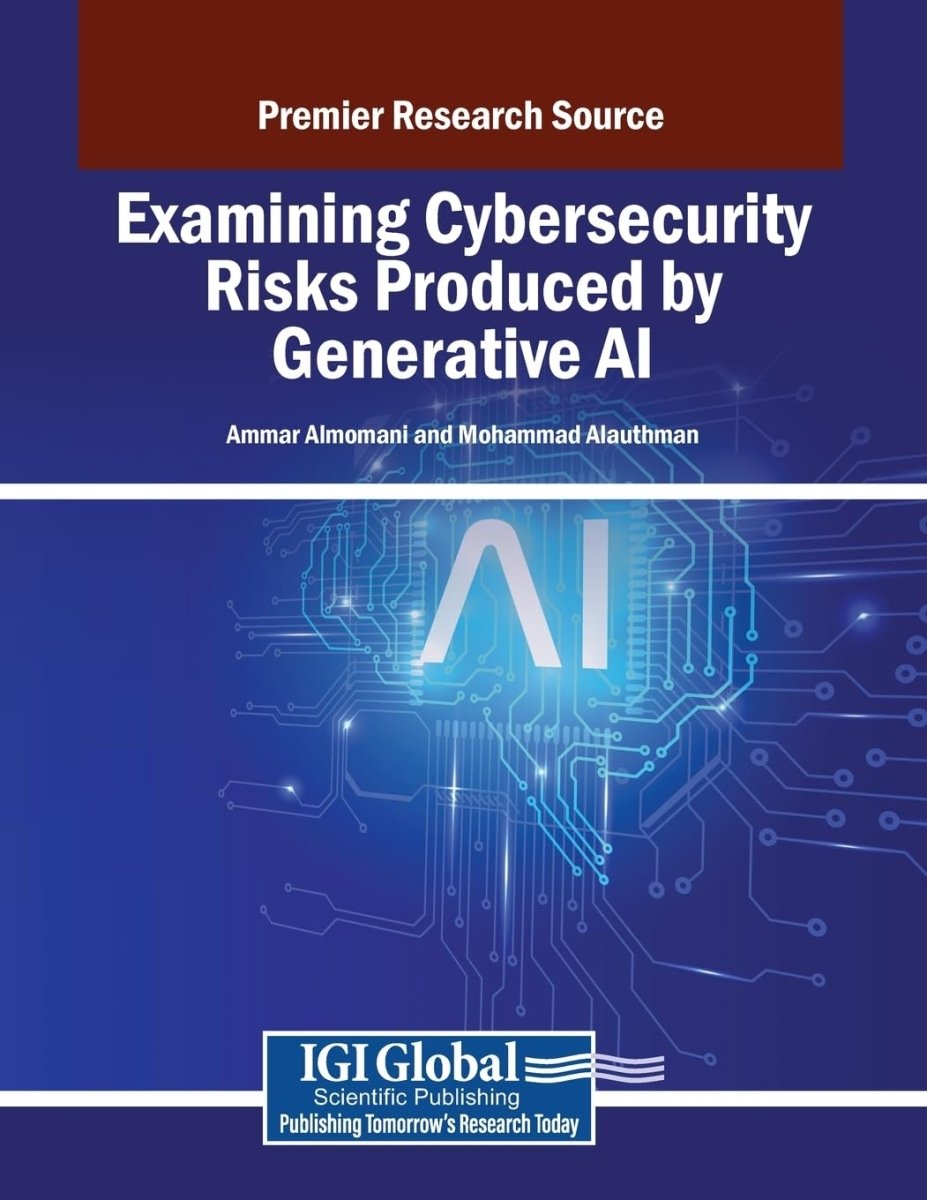
Book of Cybersecurity Risks by AI Generated
Book of Cybersecurity Risks by AI Generated
Couldn't load pickup availability
Increased Security Vulnerabilities
As generative AI technology continues to advance, so do the potential cybersecurity risks associated with it. The ability of AI algorithms to create new and sophisticated threats poses a significant challenge to traditional security measures. Cyber attackers can leverage generative AI to produce highly targeted and evasive attacks that may go undetected by conventional security systems.
Complexity of Detection
Detecting and mitigating cybersecurity risks produced by generative AI requires a heightened level of awareness and proactive security measures. Traditional signature-based detection methods are often ineffective against novel threats generated by AI algorithms. Organizations must implement robust anomaly detection systems that can identify and respond to unknown threats in real-time.
Continuous Monitoring and Adaptation
To effectively combat cybersecurity risks from generative AI, organizations must adopt a comprehensive approach that includes continuous monitoring and rapid adaptation strategies. Proactive threat intelligence gathering, regular security assessments, and dynamic incident response plans are essential for staying ahead of evolving AI-driven threats. By prioritizing cybersecurity resilience and agility, organizations can better protect their assets and data from sophisticated cyber attacks.
Final price and availability are confirmed on Amazon Enjoy Amazon’s secure checkout and reliable delivery
★★★★★Products Sold via Amazon
- Choosing a selection results in a full page refresh.
- Opens in a new window.